An Easter dinner works when the main, the sides and the oven schedule all fit one table. These Easter dinner ideas give you four mains, three sides that share the oven, the safe temperature for each and a plan for the leftovers.
How do you plan the menu?
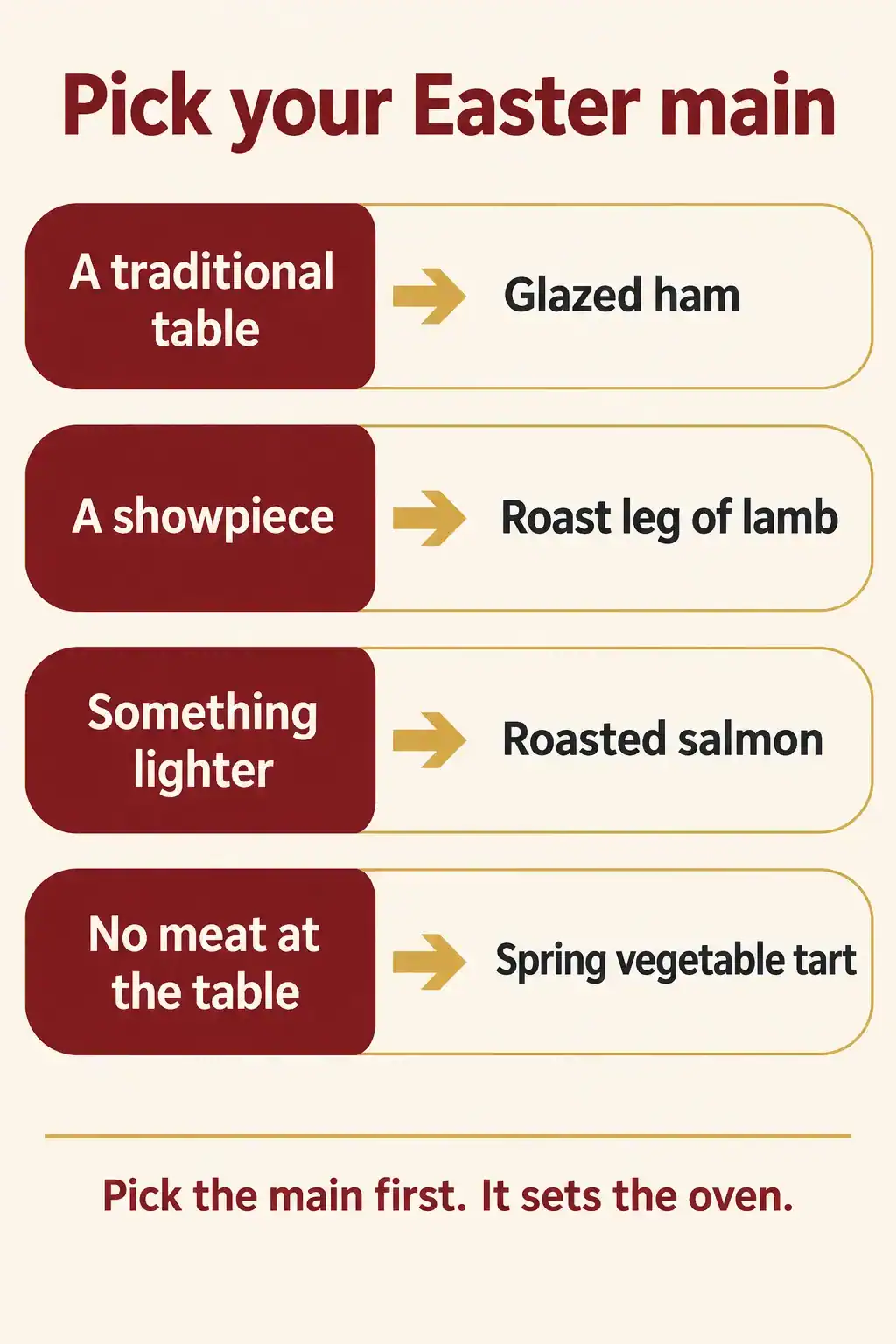
Pick the main first, because it sets the oven and the fridge. Then choose two sides that roast alongside it and one that is served cold. Decide what happens to the leftovers before anyone sits down, because the clock starts when the food comes off the heat.
If you cooked a big meal at Christmas, our Christmas dinner ideas use the same planning, and the temperature card below works for both. To jump ahead:
- Four mains: ham, lamb, salmon or a vegetable tart.
- Sides: asparagus, carrots and deviled eggs.
- Safe temperatures: the card to screenshot.
- Make ahead: a plan from the day before.
- Leftovers: the two-hour rule.
Four mains to choose from.
Each main has one number to watch and a short method. Put a food thermometer in the center of the thickest part and check two or three spots, as the University of Maine Cooperative Extension's temperature chart advises.
Glazed ham.
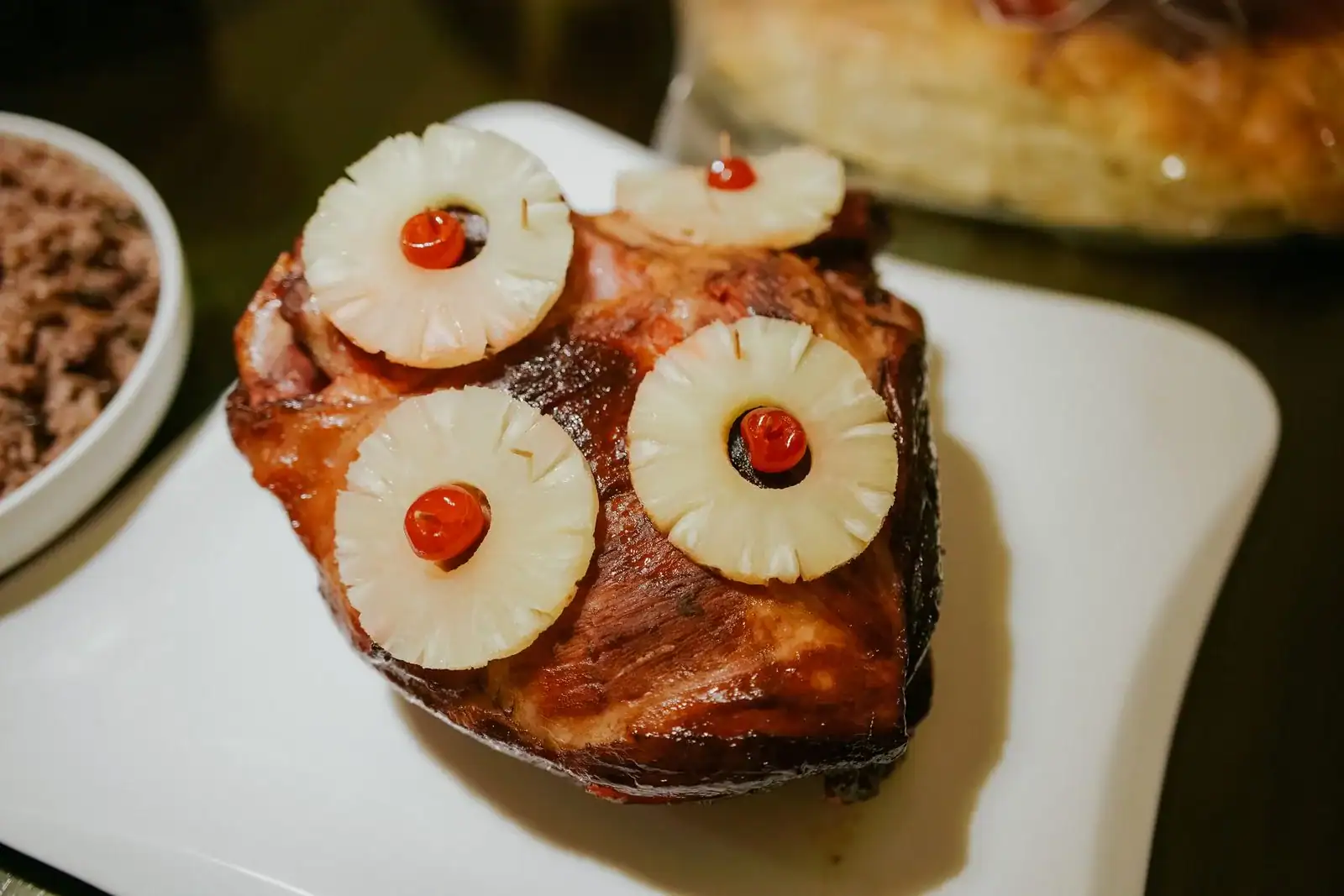
A precooked ham only needs reheating. Reheat a cooked ham from a USDA-inspected plant to 140°F, and any other precooked ham to 165°F. Raw ham needs 145°F with a 3-minute rest.
For the glaze, mix equal parts honey and Dijon mustard with a spoonful of brown sugar, and brush it on near the end so the sugar does not scorch. Follow the oven setting on the package label.
Roast leg of lamb.
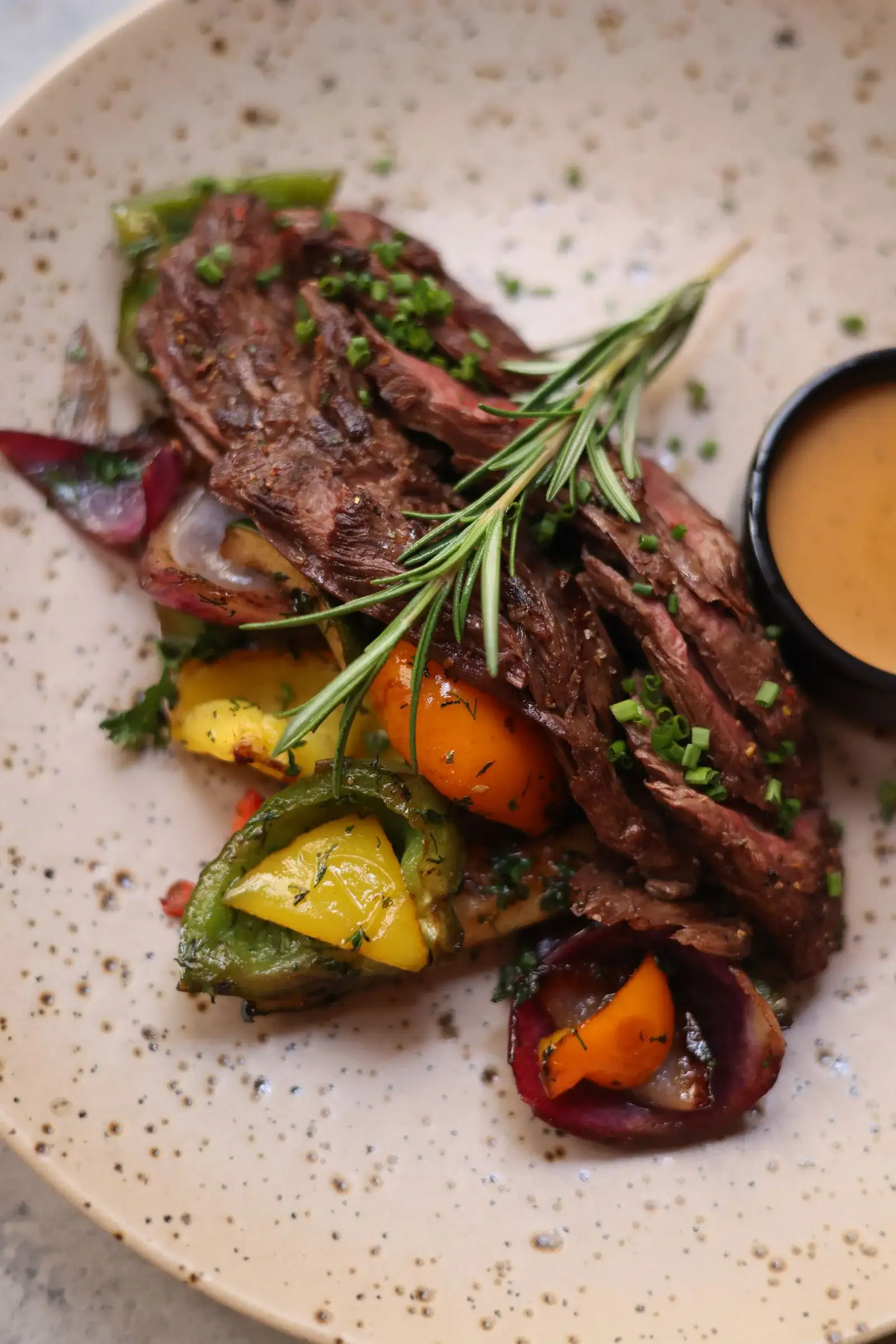
Rub the lamb with garlic, rosemary, lemon zest and olive oil, and let it sit while the oven heats. Roast until the thickest part reads 145°F, then rest it for 3 minutes before carving.
The rest is part of the safe temperature. The extension chart says the food keeps heating and spreads the heat evenly while it sits.
Roasted salmon.
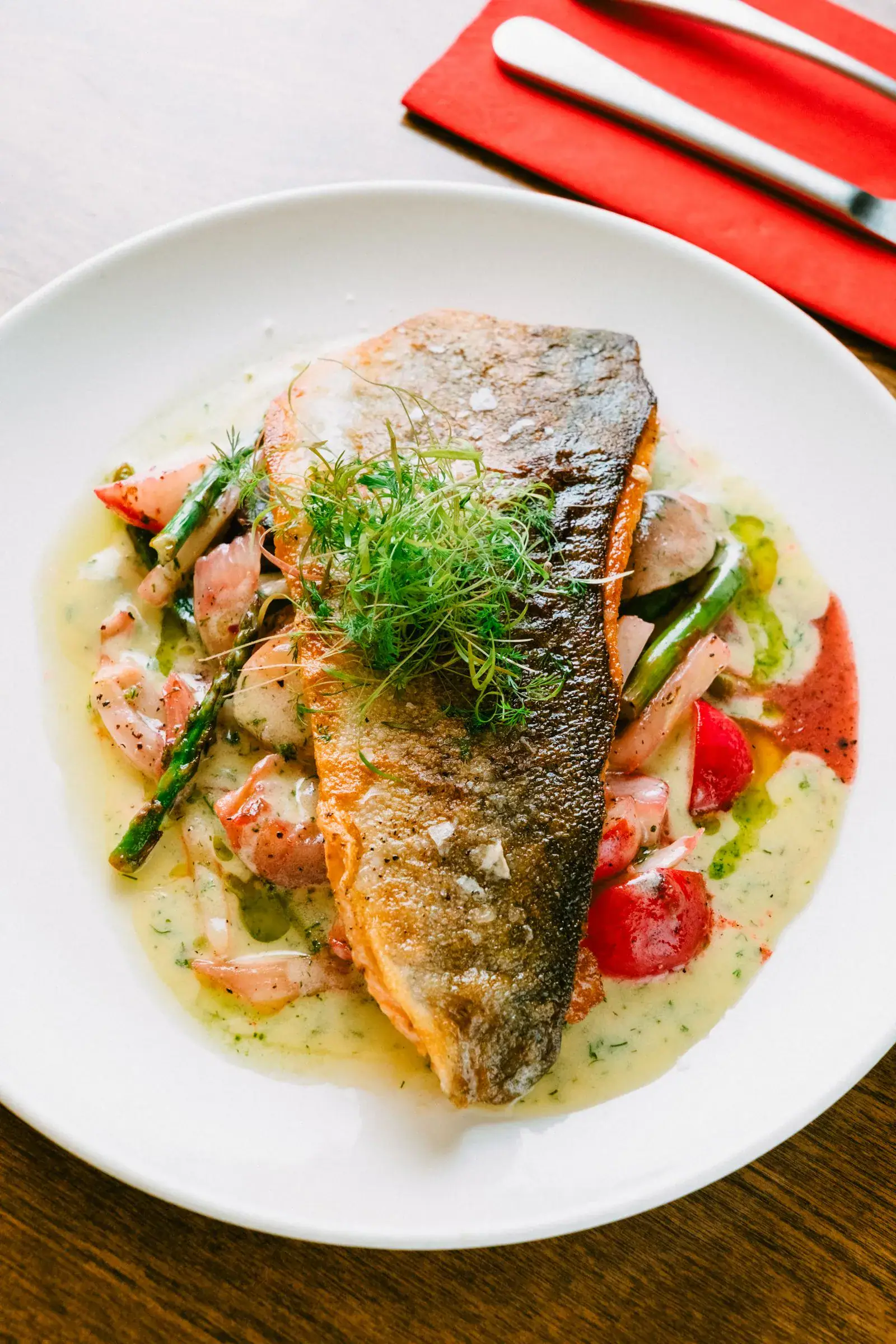
Salmon is the lightest main here. Lay the fillets skin side down on a lined tray, brush them with olive oil and season with salt, pepper and lemon.
Roast until the flesh turns opaque and flakes with a fork. It finishes faster than any of the roasts, so start it last.
A spring vegetable tart.
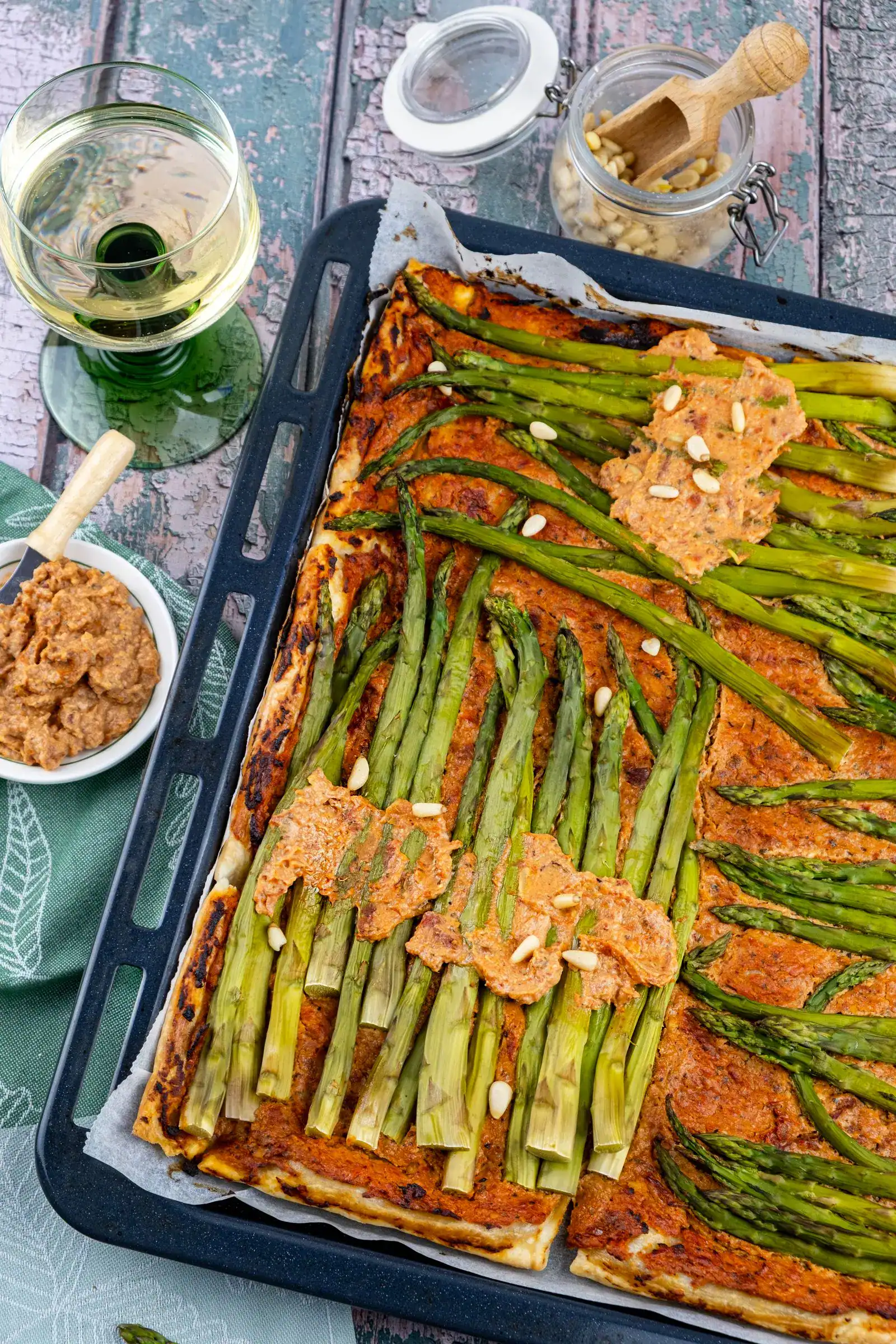
Puff pastry, asparagus and a creamy egg filling make a main without meat. Because it is an egg dish, it should reach 160°F in the center, the same number the extension chart gives for quiche and frittata.
Check the middle, not the edge, since the filling sets last.
Sides that share the oven.
Choose sides that roast at the same time as the main, plus one served cold, so the oven is never the bottleneck.
Roasted asparagus.
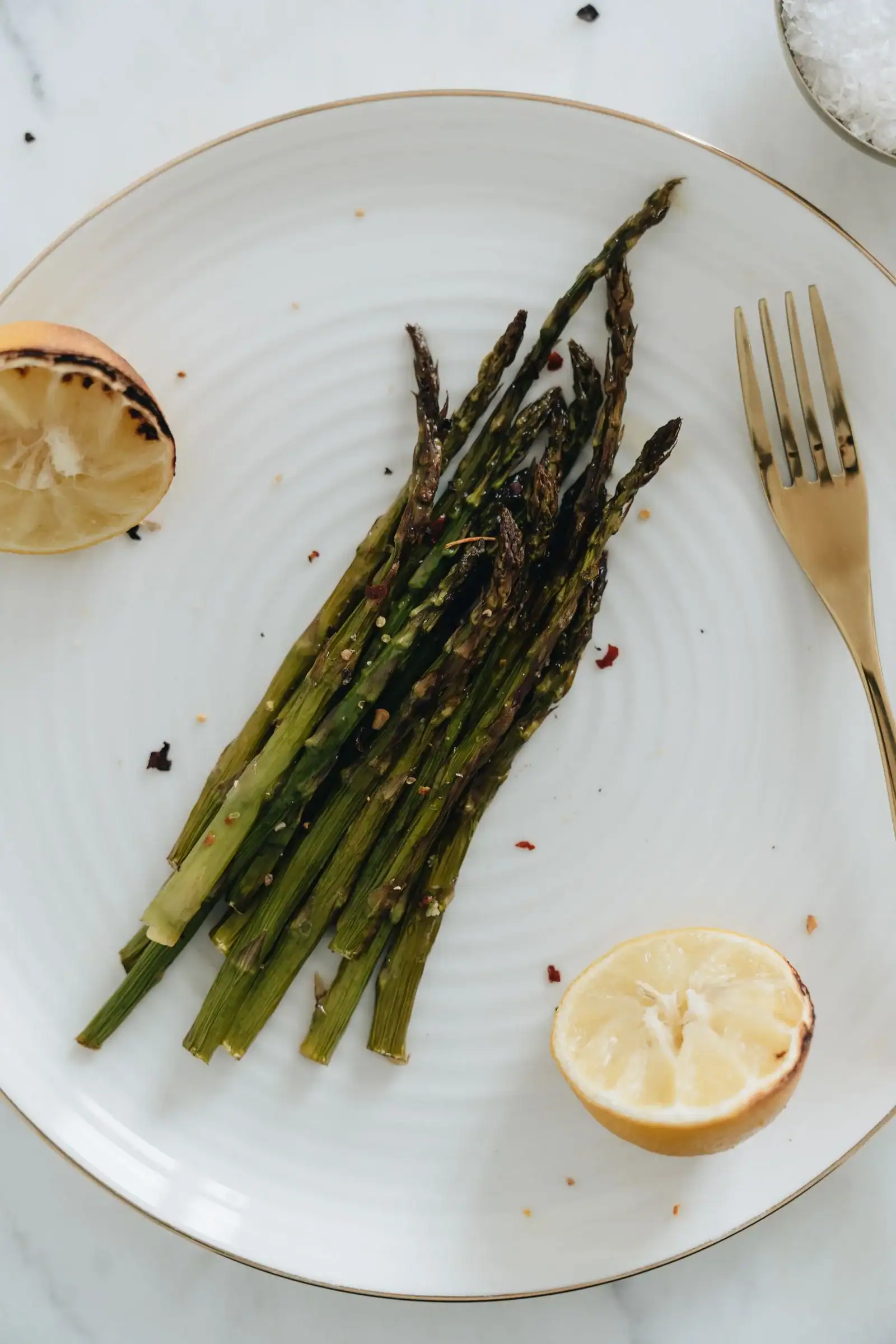
Toss trimmed spears with olive oil and salt, and roast them on a tray beside the main. Finish with a squeeze of lemon.
Roasted carrots.
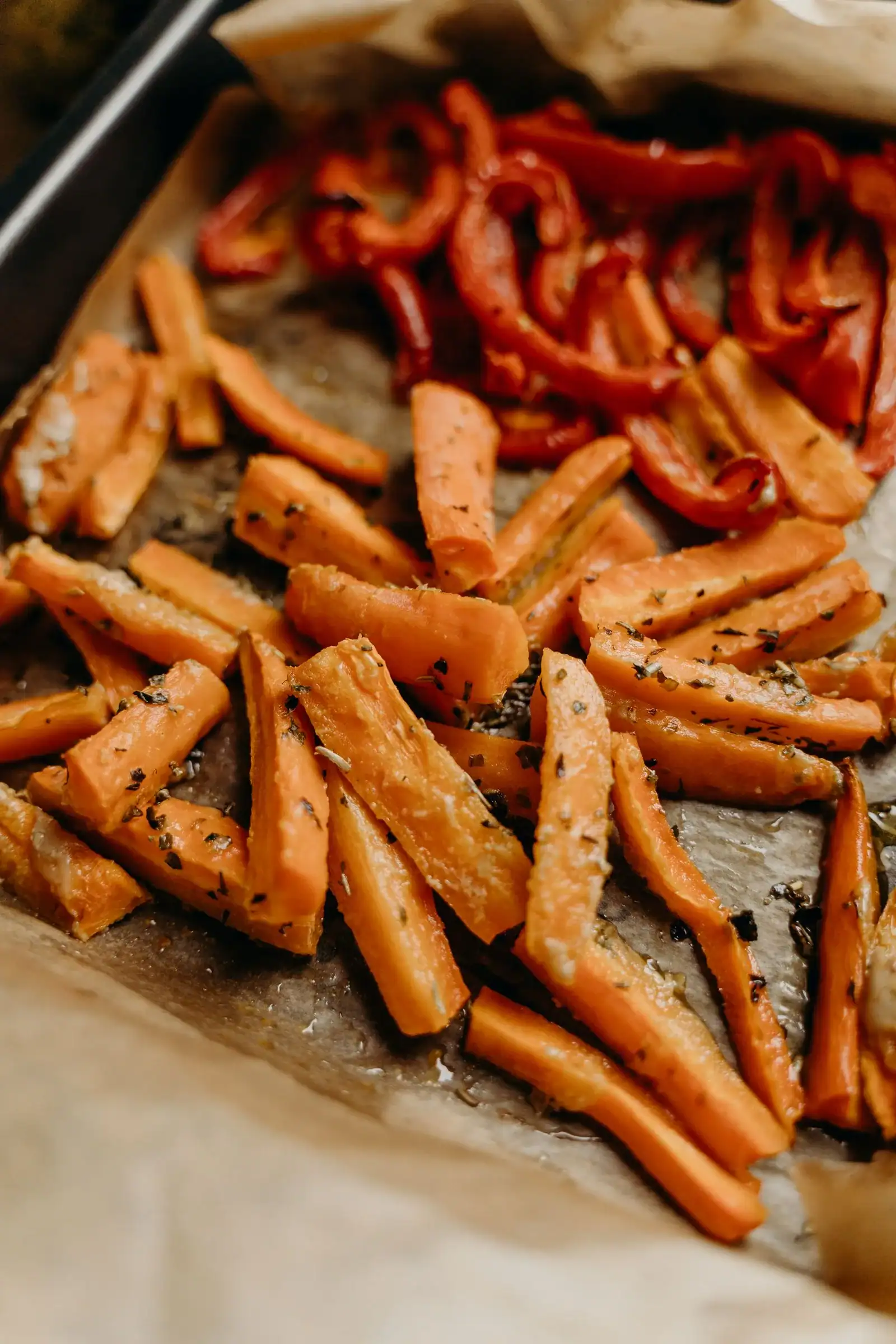
Cut the carrots into sticks of even thickness so they finish at the same moment. Toss them with oil, salt and a little honey.
Deviled eggs.
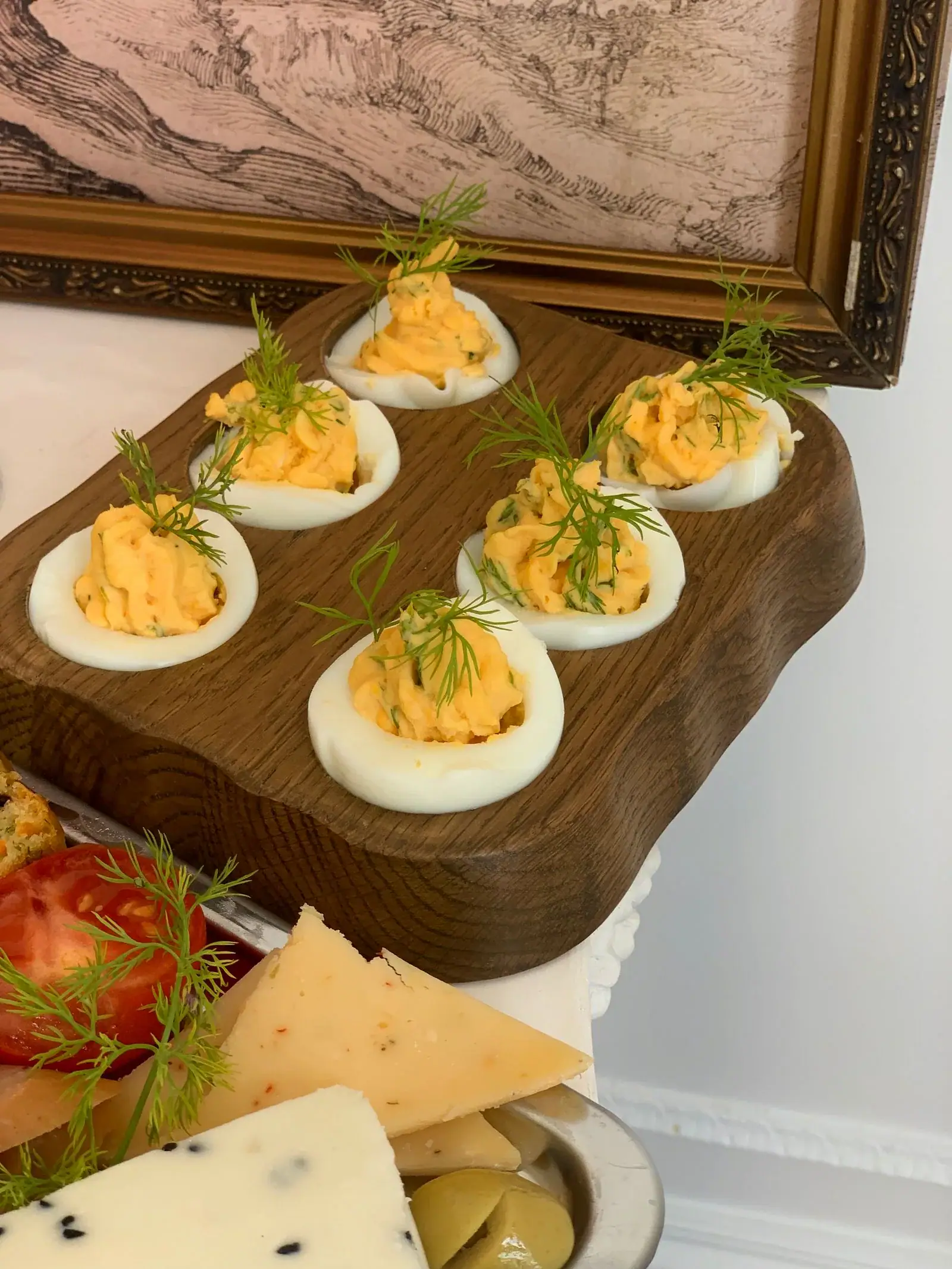
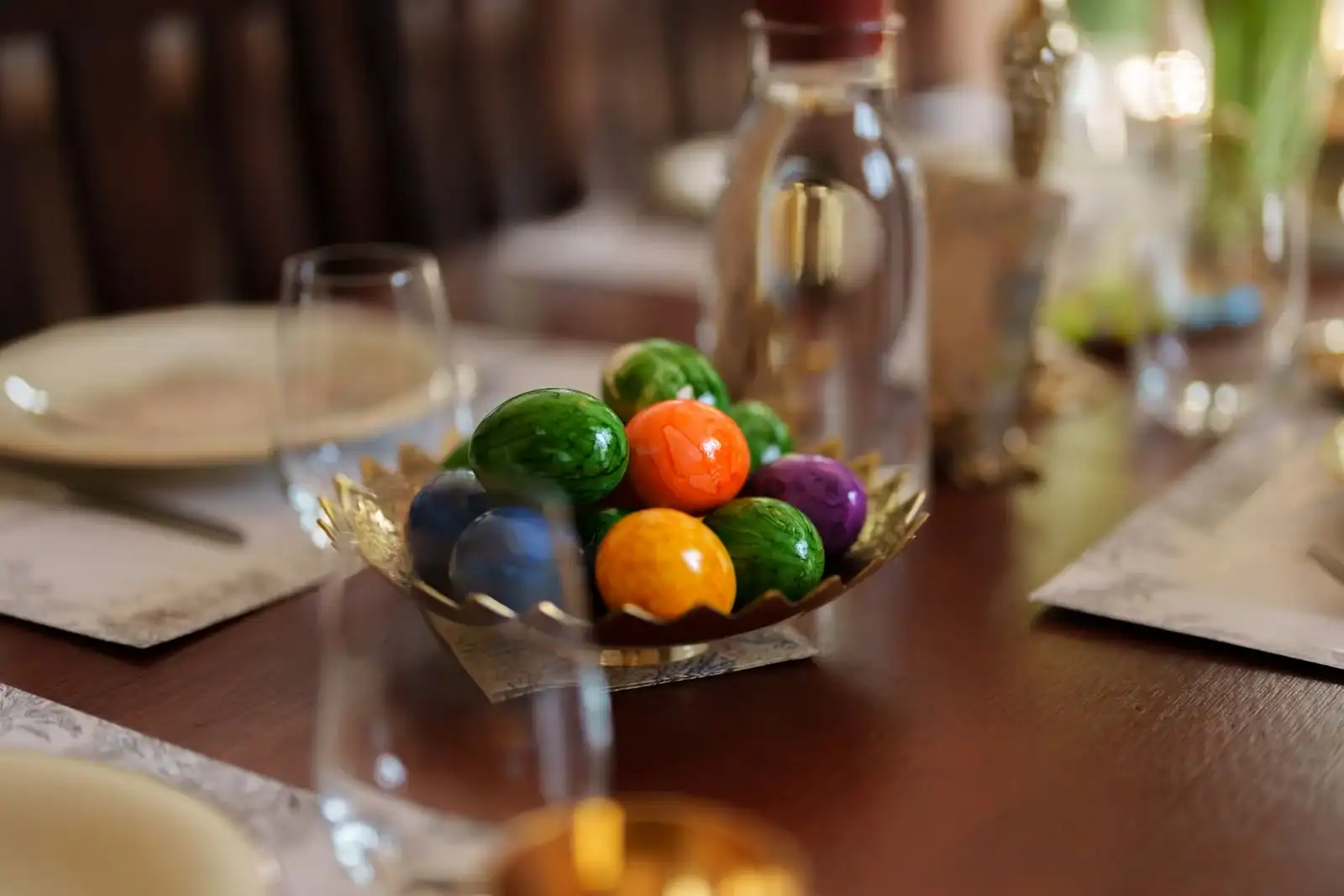
Make these with a new batch of hard-boiled eggs, not the ones you dyed and hid. Boiled eggs should go into the refrigerator within two hours of cooking and be used within one week, says the Egg Safety Center's handling tips.
Our Easter egg decorating ideas explain which dyed eggs are safe to eat.
Safe temperatures at a glance.
Temperature decides what is safe, not how the food looks. Lamb roast and raw ham need 145°F with a 3-minute rest, egg dishes need 160°F, and leftovers and casseroles need 165°F.
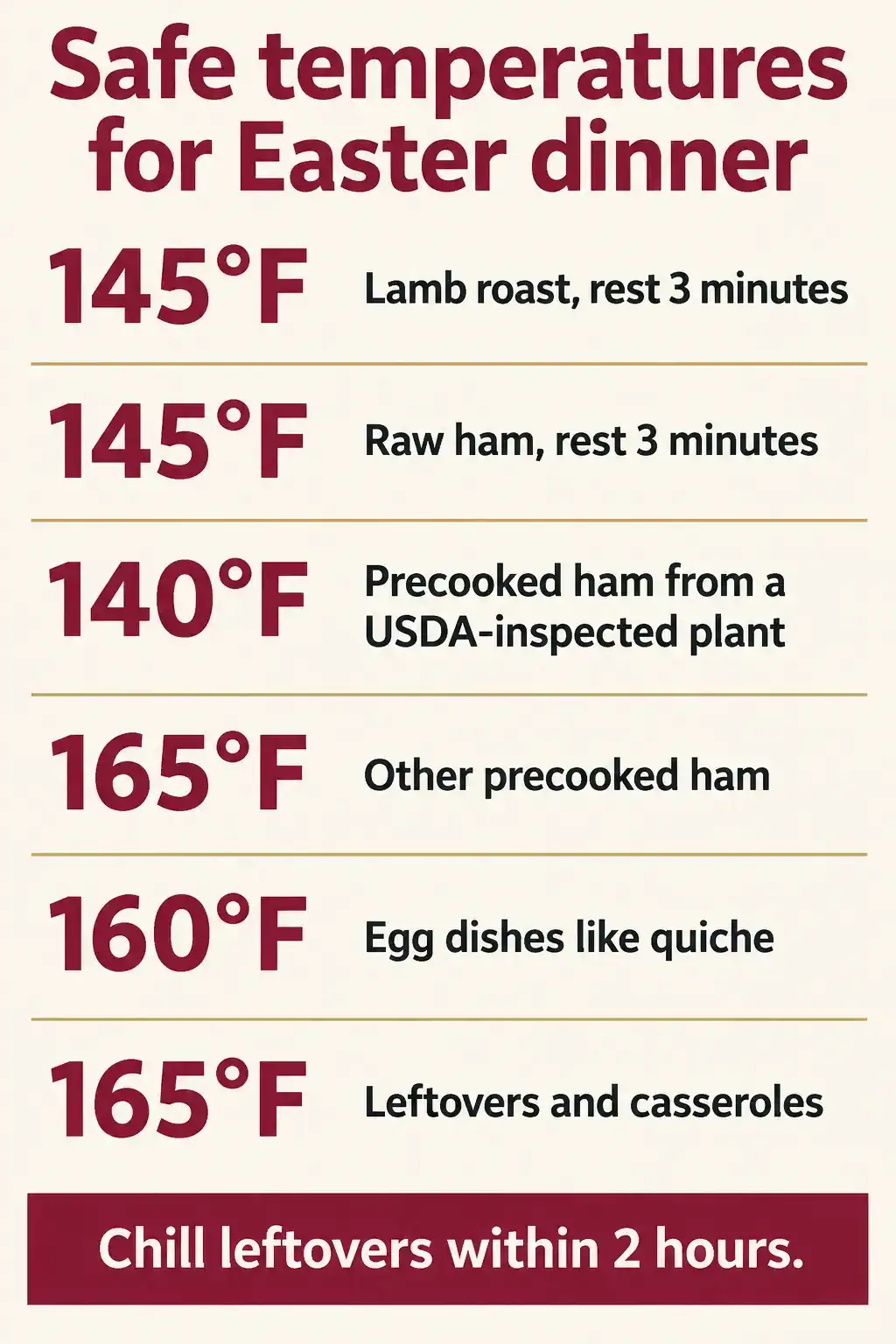
Take the temperature in two or three places. The center of the thickest part heats last, so it tells you the most.
The main I would pick
If I were hosting, I would pick the ham. It is forgiving, it feeds a crowd and the glaze needs only a few minutes of attention. Lamb is for the cook who wants a showpiece and does not mind watching a thermometer.
What can you make ahead?
Most of Easter dinner can be done before the day. The table below spreads the work so only roasting and carving are left once guests arrive.
| When | What to do |
|---|---|
| The day before | Make the glaze, trim the asparagus, cut the carrots, and boil and chill the eggs for deviling. |
| That morning | Season the lamb or salmon, assemble the tart and set the table. |
| Before guests arrive | Start the main, check the oven and put the cold sides in the refrigerator. |
| At the table | Rest the meat, carve it and keep cold dishes chilled until you serve them. |
Keep cold dishes in the refrigerator until the last moment, since perishable food should not sit out for more than two hours.
What to do with the leftovers.
Refrigerate leftovers within two hours, or within one hour if the room is above 90°F, and keep the refrigerator at 40°F or below, says the CDC's food safety steps.
Reheat leftovers to 165°F before serving them again. Leftover ham or lamb turns into a quick weeknight meal with our healthy dinners in 30 minutes.
- Put a thermometer in the center of the thickest part of the main.
- Rest lamb and raw ham for 3 minutes before carving.
- Keep cold dishes in the refrigerator until the meal.
- Put leftovers in the refrigerator within two hours.
Easter dinner questions, answered.
What temperature should Easter ham be?
A precooked ham from a USDA-inspected plant should be reheated to 140°F, and any other precooked ham to 165°F. Raw ham needs 145°F with a 3-minute rest, according to the University of Maine Cooperative Extension.
How long can Easter dinner sit out?
No more than two hours, or one hour if the room is above 90°F, according to the CDC.
Can you eat the Easter eggs you dyed?
Dyed hard-boiled eggs that went back into the refrigerator within two hours can be eaten within a week. Throw out eggs that were hidden or sat out longer, according to the Egg Safety Center.